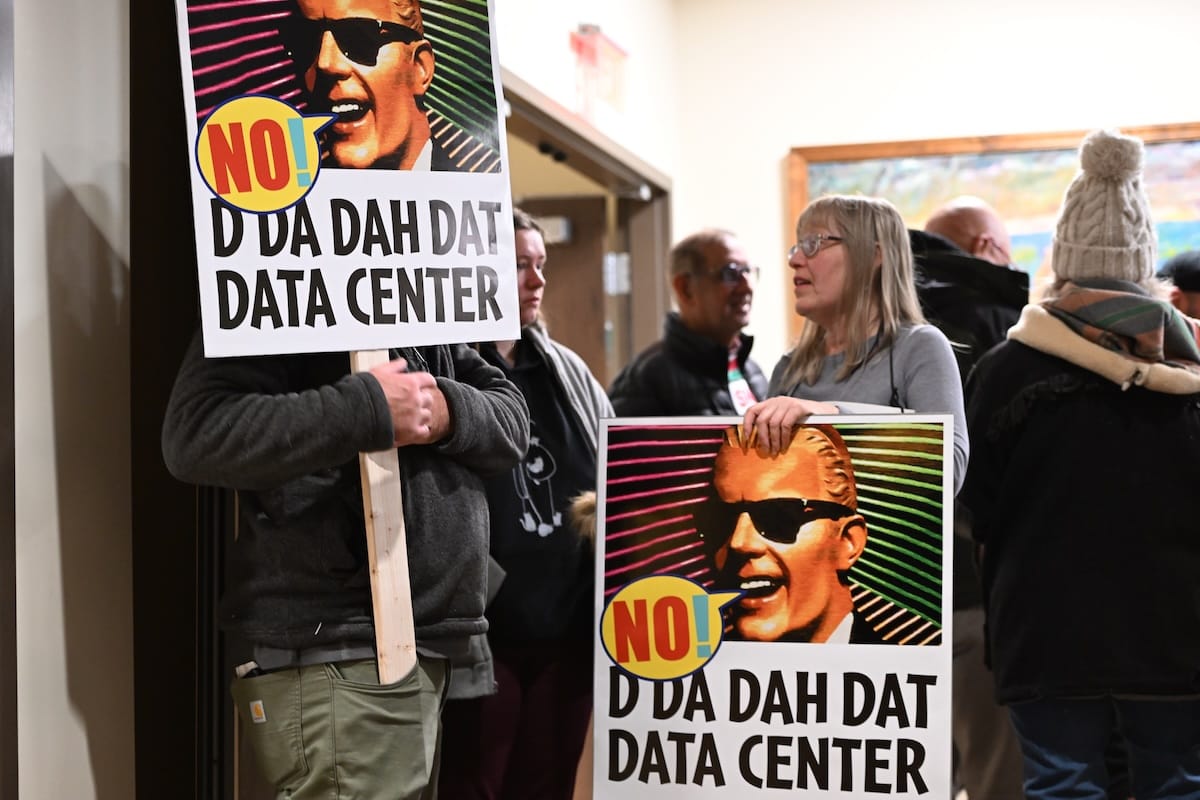
El artículo revela una tensión creciente entre la expansión de la infraestructura digital y los intereses locales. Para cualquiera que gestione la escala de la nube, ofrece la oportunidad de pensar de forma más estratégica sobre la selección de emplazamientos, la sostenibilidad y la participación de las partes interesadas.
Why are communities opposing data centers?
Communities are expressing concerns over several issues related to data centers, including increased energy costs, loss of open space, and potential negative impacts on property values and quality of life. Many residents fear that the presence of data centers could lead to higher electric bills and environmental degradation, such as water shortages from overuse of local aquifers.
How are local governments responding to data center proposals?
Local governments are grappling with how to incorporate energy-intensive data centers into their zoning frameworks. Some are considering waivers or drafting new ordinances, while others lack zoning regulations altogether. As community opposition grows, many proposals are facing delays or outright rejection, with reports indicating that two-thirds of tracked projects were blocked or delayed due to local pushback.
What strategies are developers using to address community concerns?
Developers are being encouraged to engage with local communities earlier in the planning process. This includes emphasizing the economic benefits of data centers, supporting local initiatives, and addressing environmental concerns by promoting water and energy conservation efforts. However, despite these efforts, winning over residents remains a challenge, as evidenced by recent projects that faced overwhelming opposition even when local officials were in favor.





 Sign in with LinkedIn